
Rent Shield
Defensive perk — once per game, soften a brutal rent hit so one bad landing does not end you.
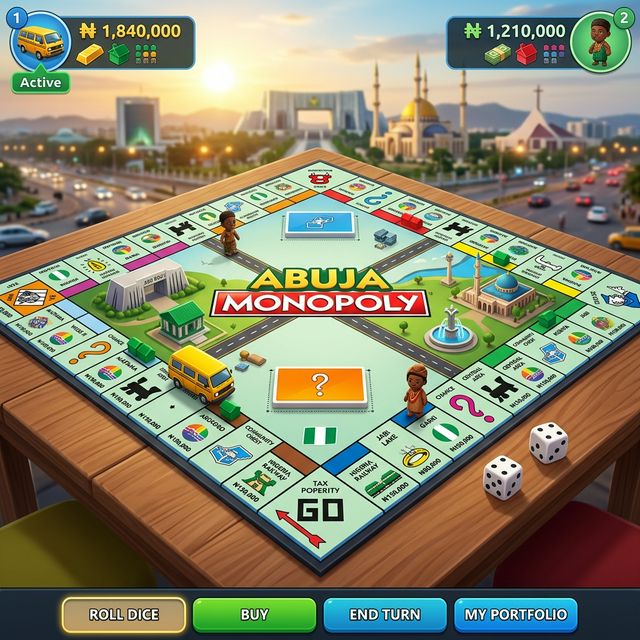
The full Monopoly-style experience on your phone: real Abuja tiles, auctions, trades, jail breaks, Chance cards, and characters who feel like people you know.

From Satellite towns to Prime districts — every roll rewrites the map.
Real captures from the Unity build sit next to card and event art from Assets/Sprites/.
Swap files in
website/assets/screenshots/ anytime.

Big beats in a match are not silent — Landlord flashes dedicated event art (from
Assets/Sprites/Events) when your story shifts: salary hits, auctions, jail, monopolies,
construction, and more. You always know why the table just gasped.
 Salary
 Auction won
 Escape prison
 Gain monopoly
 Transport mogul
 Start construction
 Get arrested
 Just visiting
Besides Chance and Community Chest, Landlord ties
character perks to collectible perk card art under
Assets/Sprites/Cards (and matching icons in Assets/Sprites/Icons). When a
perk fires — cheaper builds, auction edge, rent relief — the card appears so you learn the rule once
and remember it forever.
Perks stack with your role’s faults: the same match might show Go Bonus for a careful player and Auction Edge for a shark. It is how Abuja archetypes stay readable in fast multiplayer.
Defensive perk — once per game, soften a brutal rent hit so one bad landing does not end you.
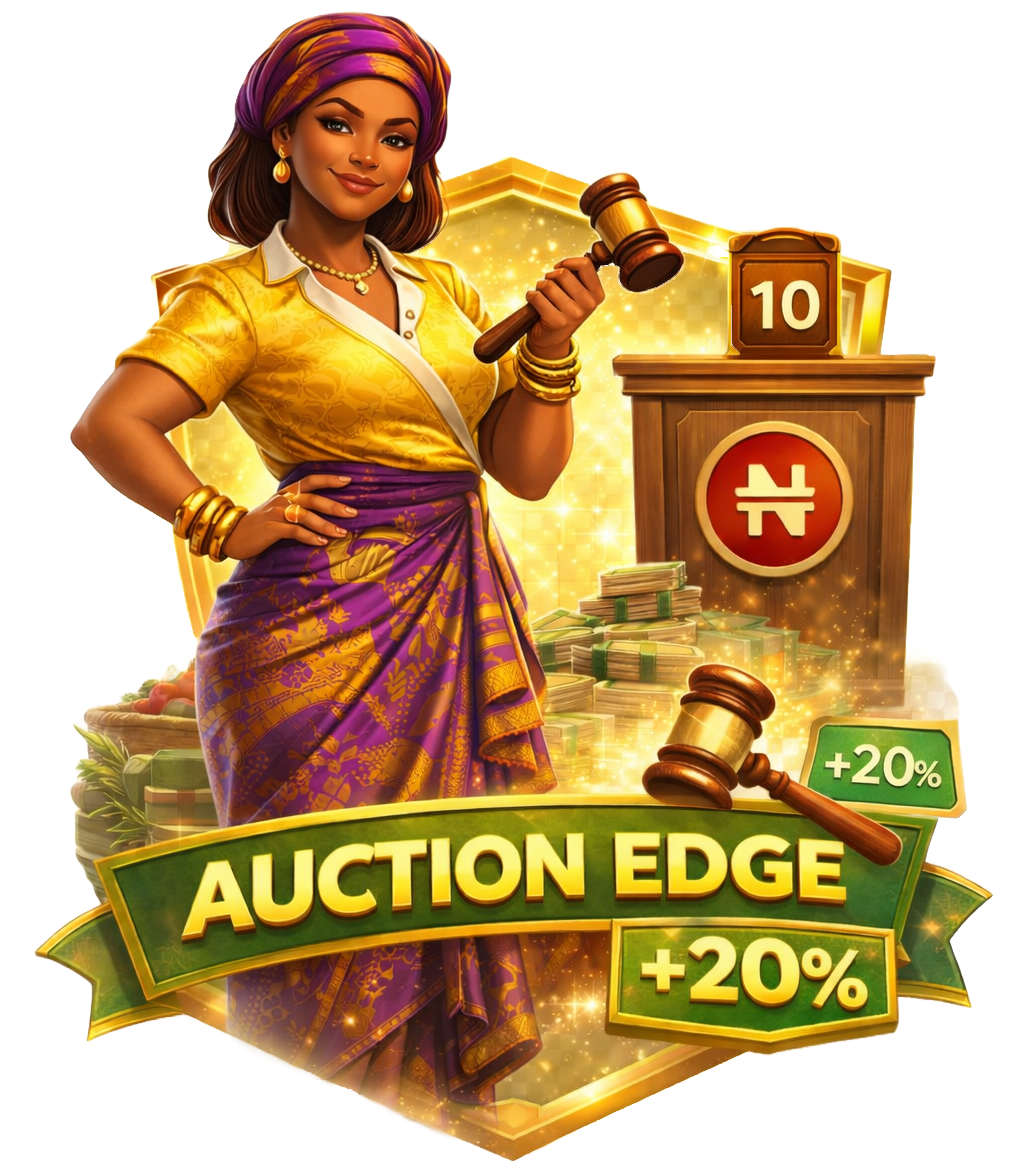
Rewards players who fight for scraps — bid smarter when properties return to the middle.

Lowers house or hotel spend for characters tuned to development — grow sets faster when cash is tight.
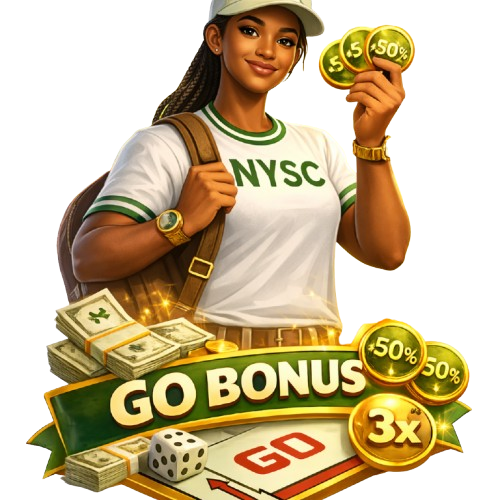
Extra salary when passing GO for steady-income playstyles — compound those laps.
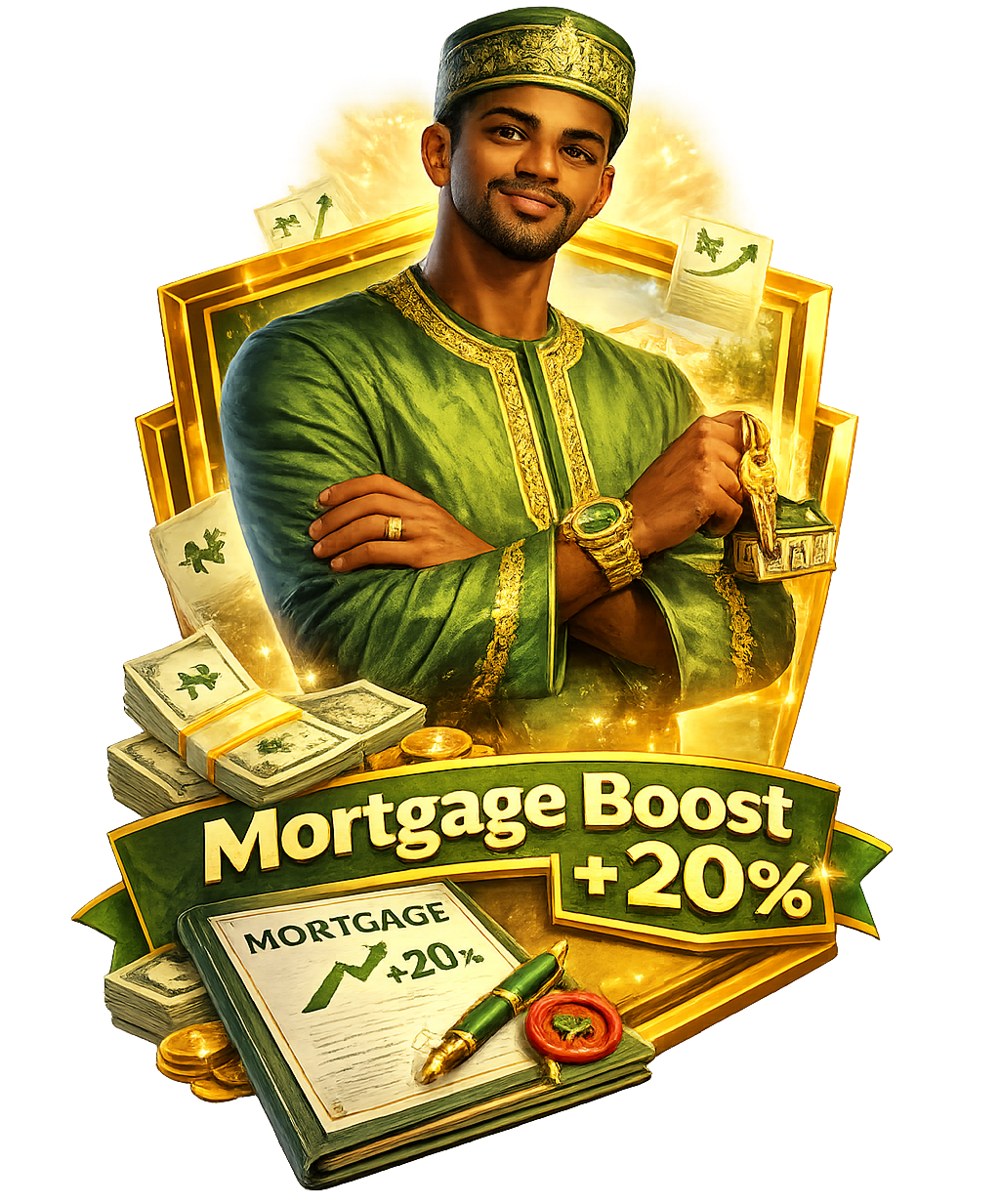
Makes mortgaging/releasing property more forgiving when you need liquidity for the next deal.
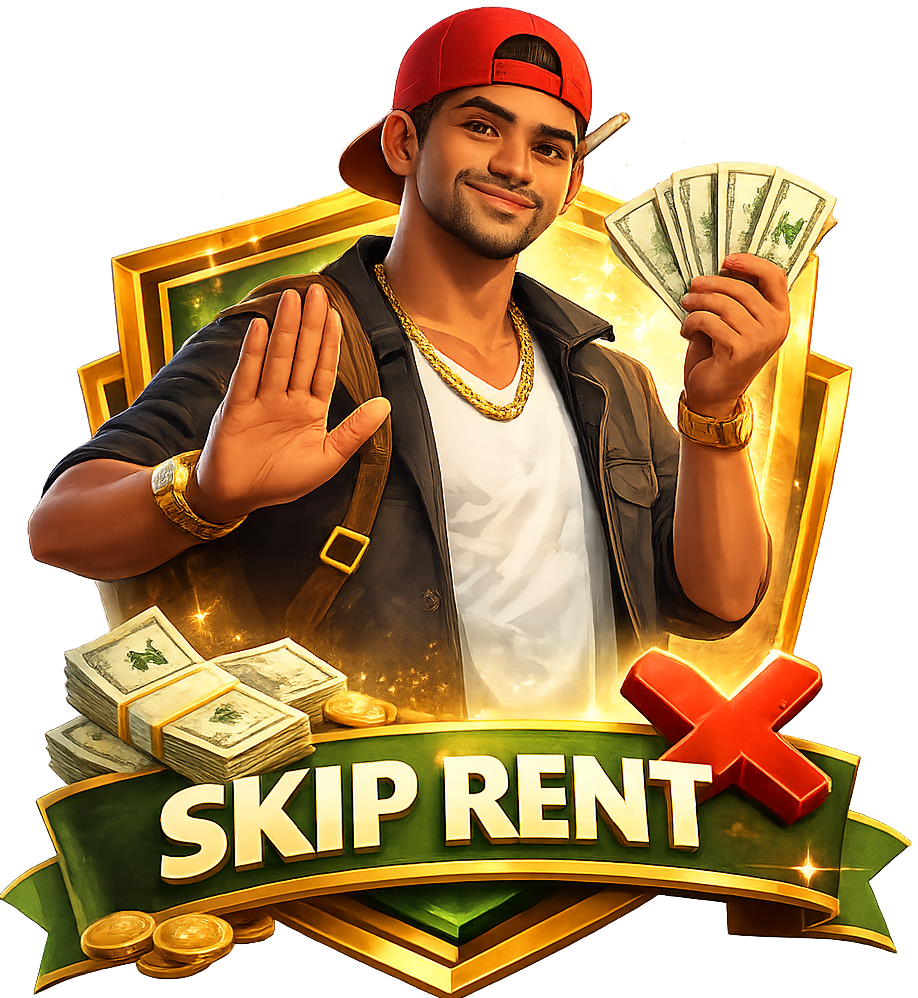
Lets eligible characters dodge a rent payment — perfect for slip-through moments.
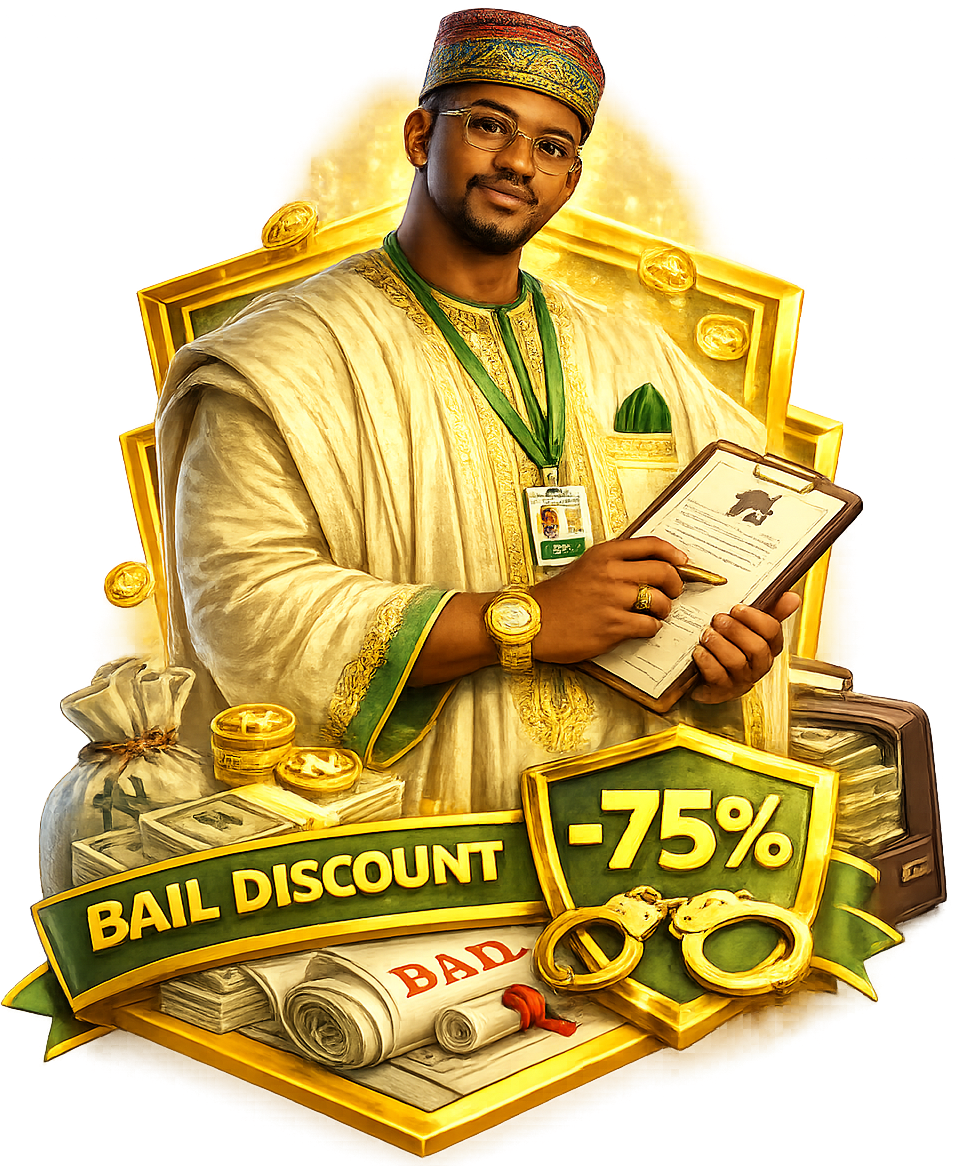
Cheaper jail exit for roles that treat fines like a line item, not a crisis.

Classic chaos decks — movement spikes, repairs, windfalls, and jail — still here, still loud, still capable of flipping a “safe” lead in one draw.
If you have played a classic property board before, you will be at home — with Nigerian money, real place names, and perks that bend the usual math. Here is the loop, beat by beat.
Every turn starts with a roll. Land on an empty property and you can buy it at list price — or watch it go to auction if you pass. Doubles give you another roll; three doubles in a row and you are off to jail (yes, really).
Someone owns where you landed? Pay up — more houses and hotels mean steeper rent. Hit Chance or Community Chest for swings of luck. Tax tiles bite in Naira. Pass GO and collect your salary (₦200,000 for most characters — some break that rule).
Complete a colour set and you can build — but only with the even-building rule, and the bank has limited wood and concrete: 32 houses and 12 hotels for the whole table. Need cash? Mortgage tiles at half value and buy them back later with interest — unless your character negotiates a sweeter deal.
Stuck in jail? Roll doubles, pay bail (typically ₦50,000 — some characters pay less), or play a Get Out of Jail Free card. Run out of money and assets you cannot cover? You are out — properties flow to who you owed. Last solvent player wins.
House rules are out; this is the full ruleset: Free Parking can pool fees for a lucky visitor, railways scale with how many lines you own, and utilities charge based on the dice. It is the kind of session that runs 30–60+ minutes when everyone is scheming.
Tap a topic for the numbers and structure that power each match.
28 Abuja properties plus special tiles: GO, Chance, Community Chest, Tax, Free Parking, Jail, and Go to Jail. Properties sit in 10 colour groups from Satellite through Mid to Prime — names you will recognise: Kuje, Kubwa, Garki, Maitama, Wuse, and more — plus 2 utilities and 4 railways.
Starting cash depends on who you pick: roughly ₦500k–₦3.5M equivalent in-game. GO pays ₦200k by default (Fresh Grad laughs at that with a higher salary). Property prices span about ₦60k–₦450k at the base tier — rent climbs hard once someone stacks houses or a hotel.
You need the full colour set before the first house. Spread builds evenly across the set. Hotels replace four houses when you are ready to flex. Mortgage for 50% of value; redeem for mortgage value plus 10% interest — perks can rewrite that for one lucky break.
Chance and Community Chest keep games volatile: cash injections, repairs, “advance to…” jumps, jail trips, and the occasional humble brag when the deck smiles on you.
2–8 players on one device today. AI opponents use economic personalities — aggression, risk, how often they trade — so Solo mode still feels like a room full of rivals. Online 1v1 with friends (join codes) is on the roadmap.
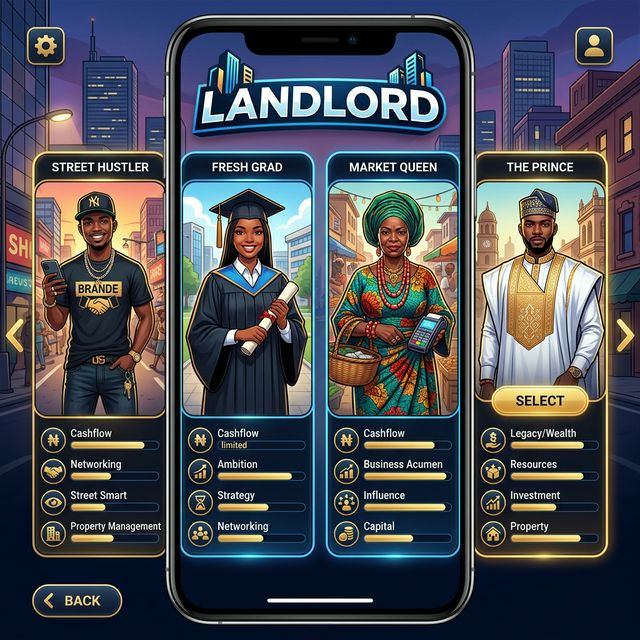
Every role has two perks and two faults — not just stat tweaks, but how you interact with auctions,
rent, trades, and
the bank. AI leans into the same identity. Portrait files follow
CharacterDatabase.asset texture GUIDs (see
website/README.txt if filenames on disk look surprising).

High school dropout who knows Abuja street economics. Starts with almost nothing, but can stretch small wins into big momentum.

Just finished NYSC, steady salary, steady mindset. Not flashy, but reliable — Abuja rewards consistency.

Wealthy man's son. Starts with advantage, but Abuja expects results. The system watches him closely.

Young coder with a foreign contract. Has money and speed, but sometimes out of touch with Abuja's local street value.

Self-made dealmaker from Garki Market. She understands negotiation better than anyone — but her name attracts tax officials.

Quiet, disciplined, and patient. Not rich, not flashy, but understands Abuja's system better than most. Plays the long game.

Child of a rich father who thinks money solves everything. Starts strong, but Abuja still tests him.
Built for Nigerians at home and abroad — without dumbing down the rules.
No. Landlord is an independent Monopoly-style board game by Jabpa. It is not affiliated with, endorsed by, or connected to Hasbro or the Monopoly trademark.
Android is the primary target. You can wishlist on Google Play when the listing is live; we will also offer an email list on this site.
Local play is the focus; specifics may vary by build. Online 1v1 is planned — follow the wishlist page for updates.
Teens to adults who like strategy and a bit of math; families who already fight over board games; diaspora players who want Abuja on the table.
Set CONTACT_EMAIL in website/js/config.js and link it in the
footer when you are ready
for public mail.
Get the Play link the day it drops — or drop your email and we will nudge you.
Go to wishlist